Angel and Devil Color Icons
As a designer who’s spent years working with machine embroidery designs, I always start by evaluating a new icon set through the lens of real-world use. Angel and Devil Color Icons caught my eye for their simplicity and clarity, but I wanted to see how they’d hold up in actual embroidery projects. From tote bags to baby clothes, this design has potential—but it also comes with some important considerations.
First Impressions: Clean, Bold, and Versatile
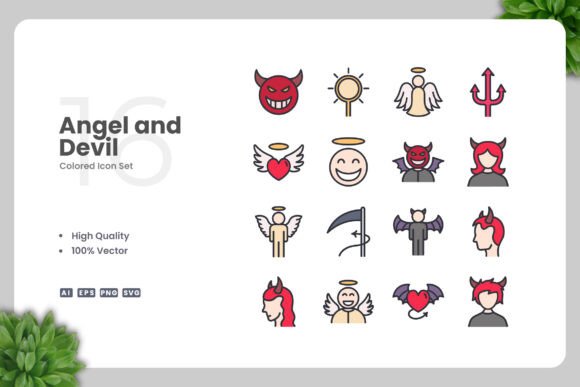
The first thing that stands out about Angel and Devil Color Icons is their clean, minimalist aesthetic. The shapes are well-proportioned, with clear outlines and a balanced layout. The color options are straightforward, making them easy to adapt for different projects. These icons feel like they were designed with both visual appeal and practicality in mind.
Visually, they have a playful yet professional vibe. The angel and devil are stylized but recognizable, which makes them suitable for a wide range of applications—from branding to personalized gifts. Their bold lines and limited detail make them ideal for embroidery, where intricate patterns can sometimes get lost in the stitching process.
Real-World Embroidery Use Cases
I tested Angel and Devil Color Icons on a few different fabric types and project types to see how they performed. On a cotton tote bag, the design looked sharp and clean, especially when using a satin stitch for the main elements. The stitch density was manageable, and the overall look was professional without being too busy.
For custom apparel, such as sweatshirts or t-shirts, these icons work well as decorative accents. They add visual interest without overwhelming the garment. When used on baby clothes, the design felt appropriate—simple enough for a nursery but still detailed enough to be meaningful.
On a patch or embroidered cap, the icons held up nicely. The design’s size and shape made it compatible with medium hoop sizes, which is a big plus for anyone working on small-scale projects. However, I noticed that on very thin or stretchy fabrics, the design could appear slightly distorted if not stabilized properly.
Where to Be Cautious
While Angel and Devil Color Icons are versatile, there are certain scenarios where they might not perform as well. For example, on dark fabrics, the contrast between the design and the background can be an issue unless you choose a thread color that stands out clearly.
Small hoop sizes can be a challenge. If you’re trying to fit the entire design into a tiny hoop, you may end up with uneven stitches or incomplete coverage. Similarly, on textured or stretchy fabrics, the design might not lay flat as intended, which could affect the final appearance.
For projects that require frequent washing, such as kitchen towels or baby blankets, it’s important to test the design on scrap fabric first. The stitch density and stabilizer choice will play a big role in how well the design holds up over time.
Impact on Visual Appeal and Customer Perception
When used correctly, Angel and Devil Color Icons can elevate the visual appeal of any handmade product. They add a touch of personality and style, making items more attractive to potential buyers. Whether you're creating a custom embroidered pillow cover or a holiday gift, these icons can help differentiate your work from the competition.
From a customer perspective, the design feels familiar and approachable. People often respond positively to recognizable symbols, which makes these icons great for gift items or branded merchandise. They also contribute to a sense of professionalism, especially when used in commercial embroidery projects.
For small shop owners and Etsy sellers, these icons can be a valuable addition to your design assets. They’re easy to edit, resize, and apply to different products, which makes them a flexible tool for creating consistent branding across multiple items.
Practical Designer Notes
Before committing to a project, I always recommend testing any new machine embroidery design on scrap fabric. This helps you understand how the design will look once stitched and whether any adjustments are needed.
Check the thread color contrast against your chosen fabric. A design that looks great on white fabric may not translate well to darker backgrounds. Also, review the stitch density to ensure it’s appropriate for the fabric type and project size.
Confirm the hoop size required for the design. If you’re working with a smaller hoop, you may need to split the design into sections or adjust the layout. Inspect the small details closely—embroidery can sometimes lose fine lines or corners if not handled carefully.
Test the design in black and white mockups to see how it appears without color. This can help you identify any issues with contrast or visibility. Compare the design on light and dark fabric backgrounds to ensure it works in both scenarios.
Use the proper stabilizer for your fabric type. This helps prevent puckering or distortion, especially on delicate or stretchy materials. Make sure the design is suitable for both personal and commercial use, and always check the licensing terms before selling finished items or digital products.
Final Thoughts: A Solid Choice for Many Projects
Angel and Devil Color Icons are a practical and stylish option for designers looking to add a touch of character to their embroidery projects. They work well on a variety of surfaces and can be adapted for both casual and professional use.
While they may not be perfect for every situation, they offer a good balance of simplicity and visual impact. Whether you're creating a custom embroidered tote bag, a baby item, or a holiday gift, these icons can help bring your vision to life.