Audio Visual Icons Review
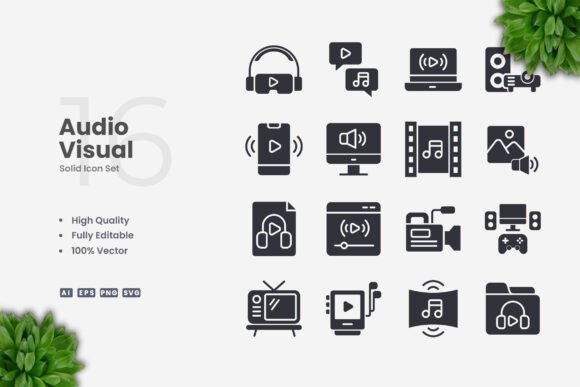
As an embroidery designer and product reviewer, I often look for icons that are both functional and versatile. The Audio Visual Icons design caught my attention for its simplicity and clarity. These icons are perfect for a wide range of projects, from custom apparel to digital mockups. But how do they hold up in real-world embroidery scenarios? Let’s break it down.
First Impressions: Clean, Modern, and Adaptable
The first thing I noticed about Audio Visual Icons is their clean, modern aesthetic. The shapes are straightforward, with no unnecessary details that could complicate the stitching process. The layout feels balanced, and the overall theme is professional yet approachable. This makes them ideal for projects that need to communicate clearly—whether it's a logo for a tech startup or a decorative element on a baby onesie.
The design’s simplicity also means it can be easily resized or recolored without losing its integrity. That’s a big plus for anyone working with different fabric types or color schemes. Whether you're creating a custom apparel piece or a handmade product, these icons offer flexibility without sacrificing quality.
Real-World Embroidery Performance
I tested Audio Visual Icons on several common embroidery projects, including a tote bag design, sweatshirt embroidery, and embroidered patch. In each case, the design maintained its clarity and visual appeal. The lines were sharp, and the negative space was well-defined, which helped prevent any unwanted fill stitches or thread breaks.
One of the standout features is how the design handles different stitch types. A satin stitch worked well for the outlines, while a fill stitch provided a smooth background without overwhelming the icon. For smaller versions, a running stitch could be used to add texture without complicating the overall look.
When it came to personalized gifts or holiday embroidery, the icons felt appropriate and professional. They didn’t come across as too technical or too whimsical, which is a great balance for a wide audience.
Where to Use With Caution
While Audio Visual Icons are generally reliable, there are a few situations where caution is needed. On small hoop sizes, some of the finer details may not translate well. If you're working on a baby embroidery project or a cap design, you might want to simplify the icon or adjust the stitch density accordingly.
Textured fabrics or thin, stretchy materials can also affect the final result. If the fabric isn't stable enough, the design might pucker or distort. Using the right stabilizer is essential here. Similarly, on dark fabric, the contrast between the thread colors and the background needs to be strong to ensure visibility.
If you're planning to use the design on layered garments or curved surfaces, test it first. Some details might get lost or distorted depending on how the fabric stretches during the stitching process.
Impact on Visual Appeal and Customer Perception
One of the most important factors when using Audio Visual Icons is how they contribute to the finished product. These icons add a polished, professional touch that can elevate the perceived value of your work. Whether you're an Etsy seller or a craft business owner, having consistent, high-quality designs can make a big difference in customer trust and engagement.
They also help with brand consistency, especially if you’re using them across multiple products or marketing materials. A cohesive visual identity can make your offerings more recognizable and memorable to buyers.
For giftability, these icons are a safe bet. Their clean lines and universal appeal make them suitable for a variety of occasions—whether it's a wedding gift, holiday embroidery, or a personalized product.
Practical Tips for Designers and Sellers
Before committing to a project, always test the design on scrap fabric. This will help you see how the stitch density and thread colors interact with your chosen material. It’s also a good idea to review the file size and hoop compatibility to avoid any surprises during the actual stitching process.
For digital product sellers, make sure to check the licensing terms before selling any finished items or printable mockups. Even though the design is simple, proper usage rights are crucial for commercial projects.
Lastly, don’t forget to inspect small details and test in black and white to ensure the design works in all contexts. Sometimes, what looks good on a screen doesn’t translate well to fabric, so a bit of extra testing can save time and headaches later on.
Final Thoughts: A Solid Choice for Practical Projects
Audio Visual Icons are a practical, versatile addition to any designer’s toolkit. They’re well-suited for a wide range of embroidery projects, from custom apparel to small shop merchandise. Their clean, modern style makes them easy to integrate into different designs, and their adaptability ensures they can be used across various mediums.
While they aren’t perfect for every situation, they offer a solid foundation for anyone looking to add professional-looking icons to their handmade products or commercial embroidery work. If you're an embroidery designer, apparel decorator, or creative entrepreneur, these icons are worth considering for your next project.